Just Plain Lucky: A Designer’s Real-World Review
As a designer who has spent countless hours staring at stitch maps and troubleshooting thread breaks, I approach every new machine embroidery design with a mix of curiosity and caution. We all know that what looks crisp on a screen does not always translate cleanly to fabric. When I first encountered Just Plain Lucky, my initial reaction was not just about the aesthetic appeal, but about its practical viability for real-world projects. This is not merely a decorative element; it is a potential cornerstone for a small business owner’s seasonal collection or a heartfelt personalized gift.
First Impressions and Visual Personality
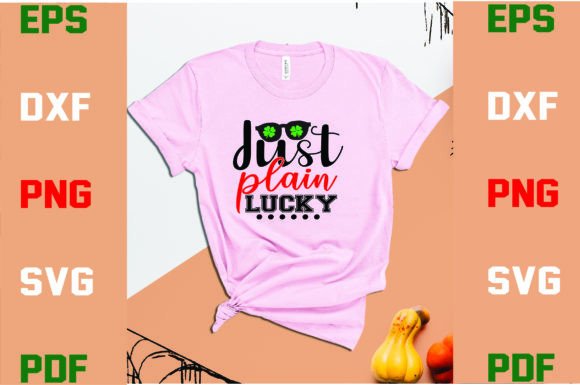
The mood of Just Plain Lucky is immediately uplifting. It carries a sense of whimsy without tipping into childishness, which is a delicate balance to strike in modern embroidery project planning. The layout suggests a design that relies heavily on clean lines and thoughtful spacing. For those of us who work with digital embroidery file assets daily, we know that negative space is just as important as the stitched area. This design appears to respect that principle, offering breathing room that prevents the final finished product from looking cluttered or heavy.
From a visual standpoint, the theme lends itself beautifully to spring collections, St. Patrick’s Day promotions, or year-round motifs for brands that focus on positivity and good fortune. It feels native to the current trend of minimalist yet meaningful design assets that resonate with buyers looking for subtle charm rather than loud statements.
Real-World Application: The Tote Bag Test
To truly evaluate Just Plain Lucky, I mentally placed it on a canvas tote bag, a staple item for any Etsy seller or craft fair vendor. Imagine a natural, unbleached cotton canvas. The design would need to stand out against the textured weave. Here, the choice of thread colors becomes critical. A deep emerald green or a rich gold would provide excellent contrast, ensuring the message is legible from a distance.
In this scenario, the design serves as more than just decoration; it becomes a branding element. For a small shop product, consistency is key. If your brand uses specific fonts or stylistic flourishes, you must ensure that Just Plain Lucky complements your existing visual identity. Because this item falls under the category of Freebies and Graphics, it offers a low-risk way to test new aesthetic directions without a significant financial investment. However, the value it adds to a handmade product can be substantial if executed with precision.
Stitching Clarity and Fabric Considerations
One of the primary concerns when reviewing any embroidery file is how it handles different fabric types. Just Plain Lucky seems versatile, but it requires careful handling on challenging materials. For instance, if you are applying this to a stretchy fleece for a sweatshirt embroidery project, the stability of the design is paramount. Without proper stabilization, even the best-designed graphic can pucker or distort.
I recommend using a cut-away stabilizer for garments that will undergo frequent washing, such as custom apparel or baby embroidery items. For decorative pieces like pillow covers or wall art, a tear-away might suffice, but always prioritize the longevity of the stitch. The stitch density appears moderate, which is ideal for maintaining softness against the skin, especially for items like baby blankets or nursery decor. High-density fills can feel stiff and uncomfortable, so a balanced approach here is a significant advantage.
Navigating Small Hoops and Curved Surfaces
While the design is appealing, placement matters. If you are considering an embroidered patch or a cap, you must check the dimensions carefully. Curved surfaces like baseball caps can distort wide designs. If Just Plain Lucky has a wide aspect ratio, it may need to be scaled down, which could compromise the legibility of finer details. Always test on scrap fabric first. This simple step saves hours of frustration and prevents wasted materials.
For holiday embroidery projects, such as kitchen towels or aprons, the design fits naturally into the corner or center hem. However, be mindful of the fabric texture. Terry cloth, for example, can swallow up fine lines. In such cases, increasing the stitch weight or choosing a bolder thread color can help maintain clarity.
Commercial Viability and Brand Trust
For commercial embroidery professionals, the reliability of the source file is crucial. Since Just Plain Lucky is provided as a digital download including SVG, PNG, EPS, DXF, and JPG formats, it offers flexibility beyond just machine stitching. You can use the vector files for printable mockup creation, allowing you to showcase the design on various products before committing to production. This is invaluable for creative entrepreneurs who need to create compelling listings for their online stores.
Customer trust is built on consistency and quality. A poorly stitched design can damage a brand’s reputation quickly. By thoroughly testing Just Plain Lucky on different backgrounds—light, dark, and patterned—you ensure that the final item meets professional standards. Check the contrast in black and white mockups to verify that the shape remains distinct even without color cues. This attention to detail signals professionalism to your buyers.
Practical Designer Notes for Best Results
Before launching this design into your production line, consider these practical steps:
- Verify Licensing: Although this is a freebie, always confirm the license terms. Ensure you are allowed to use it for commercial sales if you plan to sell finished items.
- Thread Contrast: Test high-contrast combinations first. A light thread on dark fabric can highlight any imperfections in the stitch path.
- Hoop Size Confirmation: Measure your hoop capacity against the design dimensions. Do not assume it will fit; measure twice, stitch once.
- Stabilizer Selection: Match the stabilizer to the fabric weight. Heavy denim needs different support than lightweight linen.
- Detail Inspection: Zoom in on the SVG or EPS file to check for any stray nodes or overlapping paths that could cause machine errors.
In conclusion, Just Plain Lucky is a promising addition to any designer’s library. It offers a blend of charm and versatility that, when handled with technical care, can elevate a simple tote bag design or custom apparel piece into a standout product. Whether you are a hobbyist looking to spruce up your home or a craft business owner expanding your seasonal offerings, this design rewards thoughtful execution. Treat it with the respect it deserves, test it rigorously, and it will likely become a reliable asset in your creative toolkit.