Coffee Sublimation Bundle: A Designer’s Review
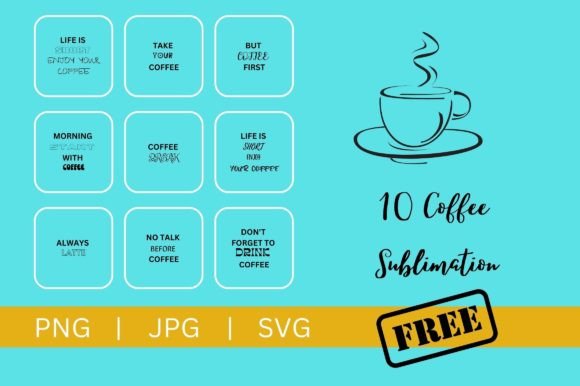
As an embroidery designer who has spent years digitizing patterns and testing them on everything from delicate baby onesies to heavy-duty canvas tote bags, I approach new design assets with a critical eye. We often see bundles labeled as Freebies or general Graphics that look stunning on a screen but fail miserably under the needle. Today, I am evaluating the Coffee Sublimation Bundle 10 Designs not just as digital art, but as a potential foundation for real-world embroidery projects.
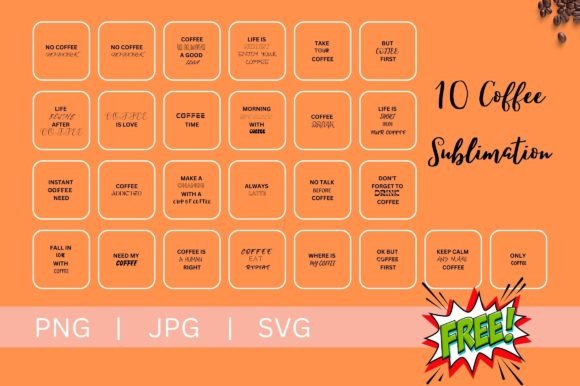
The product description states this bundle includes ten high-resolution 300 DPI PNG, JPG, and SVG files with transparent backgrounds, sized at 12x12 inches. While these are marketed for sublimation on mugs, t-shirts, and towels, my interest lies in how these vector and raster assets translate into stitched design assets for a craft business. Can a coffee-themed graphic survive the transition from pixel to thread? Let’s dive into the practical reality.
First Impressions and Visual Mood
Opening the folder, the first thing I notice is the versatility of the theme. Coffee culture is evergreen. It appeals to early risers, busy parents, corporate professionals, and cozy homebodies alike. The visual personality of these ten designs leans towards clean, modern aesthetics rather than overly intricate vintage sketches. This is crucial for embroidery. Overly detailed illustrations often turn into muddy blobs when stitched out, especially if the stitch density isn't managed perfectly during digitization.
The transparent backgrounds in the PNG files are a huge plus for creating quick printable mockup previews for your online store. However, as an embroiderer, I am looking at the SVG files. These vector paths are what I would use to auto-digitize or manually trace in my embroidery software. The clarity of the lines in these SVGs suggests that converting them into a machine embroidery design would be straightforward, requiring minimal cleanup of anchor points.
Real-World Application: The Custom Tote Bag Test
To test the viability of the Coffee Sublimation Bundle 10 Designs, I imagined a specific client request: a set of five reusable grocery totes for a local café’s loyalty program. The client wanted something durable, washable, and visually appealing. I selected one of the simpler coffee cup icons from the bundle to simulate the process.
For a tote bag design, durability is key. If I were to digitize this SVG into an applique design, I could use a contrasting fabric for the coffee cup shape, securing it with a narrow satin stitch border. This reduces the amount of thread used and prevents the garment from becoming stiff. Alternatively, using a fill stitch for a solid color look would work well on heavy canvas, provided the stabilizer is robust enough to handle the tension. The result would be a professional handmade product that feels premium rather than mass-produced.
Performance Across Different Products
Beyond totes, how do these graphics perform on other common items? Here is where the distinction between sublimation and embroidery becomes vital. Sublimation dyes the fabric; embroidery adds texture.
- Sweatshirt Embroidery: A minimalist coffee quote from the bundle would look excellent on a chest pocket area. Using a running stitch for fine text ensures readability without bulk.
- Baby Embroidery: For a baby shower gift, a cute, simplified coffee mug icon (perhaps decaf themed for humor) could be stitched onto a bib. However, I would avoid dense fills here to keep the item soft against sensitive skin.
- Embroidered Patch: These designs are ideal for creating iron-on patches. You can stitch them out on twill, cut them close to the edge, and sell them as accessories. This turns a digital file into a tangible small shop product.
- Holiday Embroidery: During the winter season, pairing these coffee motifs with snowflake elements creates a cozy "warm drinks" collection that sells well on Etsy.
Where Caution Is Needed
While the Coffee Sublimation Bundle 10 Designs offers great raw material, there are pitfalls to avoid when translating these graphics into thread.
First, consider the hoop size. The files are 12x12 inches, which is large. Not all home machines can handle this area. You may need to resize the design significantly. When shrinking a design, tiny details like steam wisps or small text can disappear or cause thread breaks. Always check the legibility of small elements after resizing.
Second, think about fabric texture. These designs feature solid shapes that might look great on smooth cotton but could pucker on stretchy jersey knits or textured towels. If you are working on a tea towel, ensure you use a cut-away stabilizer to prevent distortion after washing. On dark fabrics, remember that you cannot simply "print" white ink. You must stitch white thread, which may require a underlay strategy to prevent the dark fabric from peeking through.
Enhancing Brand Value and Customer Trust
Using high-quality source graphics like those in this bundle can elevate your custom apparel line. When customers see clean, crisp stitching that matches a recognizable aesthetic, it builds trust. It signals that you care about the finished product. Whether you are an Etsy seller or running a boutique, consistency in design language helps with brand recognition. These coffee themes fit seamlessly into a lifestyle brand focused on comfort, morning routines, and self-care.
Moreover, having versatile digital embroidery file sources allows you to offer personalization. You can combine a coffee icon from this bundle with a customer’s name, creating a highly desirable personalized gift. This customization capability is what drives higher price points and customer engagement in the handmade market.
Practical Notes for the Embroidery Designer
Before you rush to stitch out these designs for commercial sale, follow these professional steps:
- Test on Scrap Fabric: Never stitch a new design directly on the final garment. Use a similar fabric weight and type to test tension and density.
- Check Thread Color Contrast: Ensure your thread colors pop against the fabric. A brown coffee cup on a beige shirt might vanish. Consider using cream or tan threads for better visibility.
- Verify Licensing: The product is listed under Freebies and Graphics. Always read the specific license terms included with the download. Some free assets are for personal use only, while others allow commercial use of finished physical items. Confirm whether you can sell the stitched items or if the license restricts you to personal projects.
- Inspect Small Details: Look closely at the SVG paths. Are there stray points? Clean up the vector before digitizing to ensure smooth satin stitches and efficient travel moves.
- Mockup in Black and White: Convert the design to grayscale in your software. If you can’t distinguish the elements in black and white, the stitch definition will likely be poor in real life.
In conclusion, the Coffee Sublimation Bundle 10 Designs provides a solid foundation for creative entrepreneurs. While originally intended for sublimation, the high-resolution SVGs and PNGs offer excellent raw material for embroidery digitization. With careful attention to stitch density, stabilizer choice, and fabric selection, these graphics can transform into high-value commercial embroidery products. Whether you are making a single personalized gift or stocking your online store with custom apparel, these designs hold up under professional scrutiny. Just remember to test, verify your rights, and stitch with precision.